




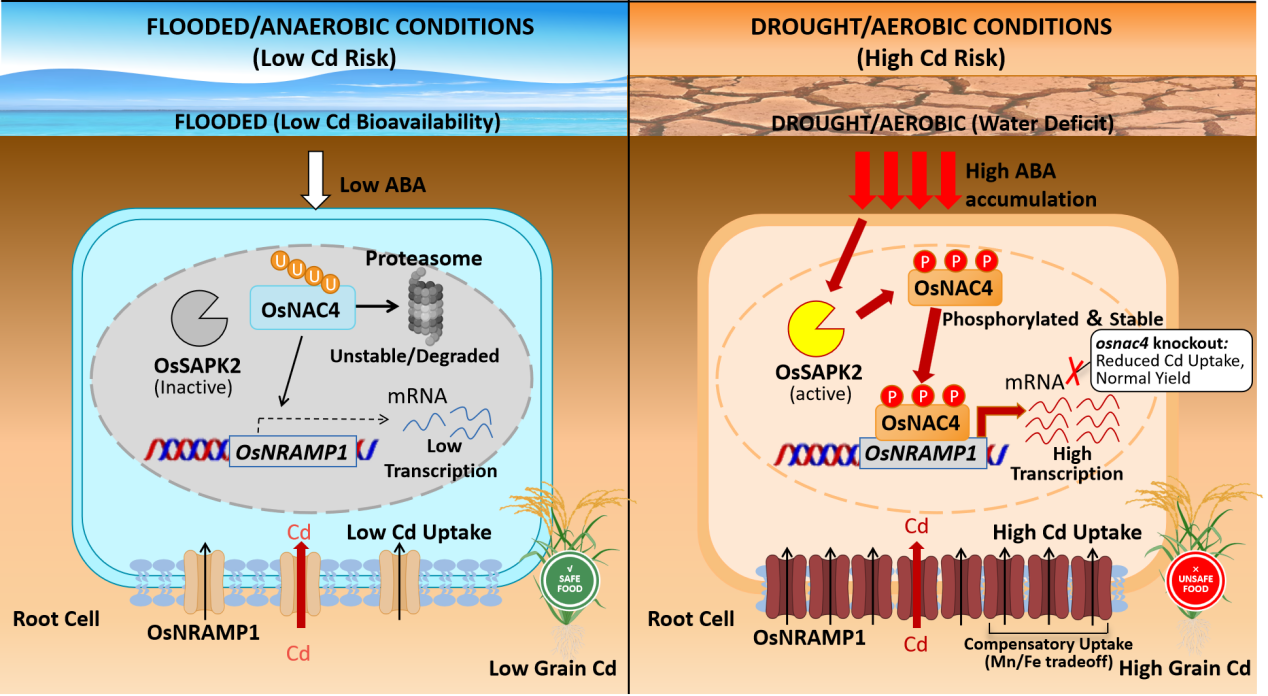
Water-saving irrigation techniques, such as intermittent irrigation, are essential for sustainable rice cultivation amid growing freshwater shortages. However, periodic drainage creates aerobic soil conditions that drastically boost cadmium (Cd) bioavailability, leading to severe grain Cd enr...
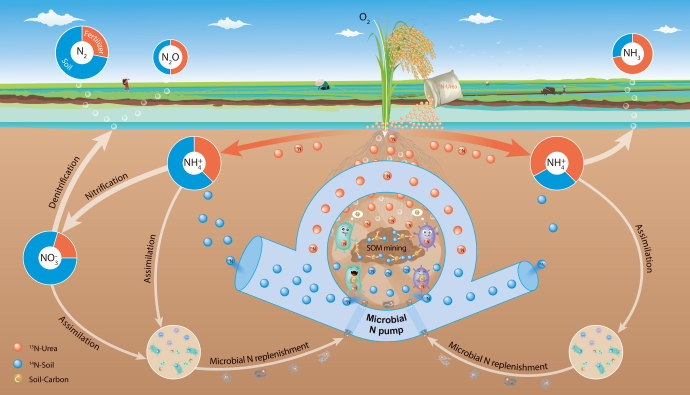
A research team led by Prof. YAN Xiaoyuan from the Institute of Soil Science, Chinese Academy of Sciences, has revealed that nitrogen gas (N2) emissions from rice paddies mainly originate from soil organic nitrogen rather than fertilizer. The study, published in PNAS, also introduces a new me...
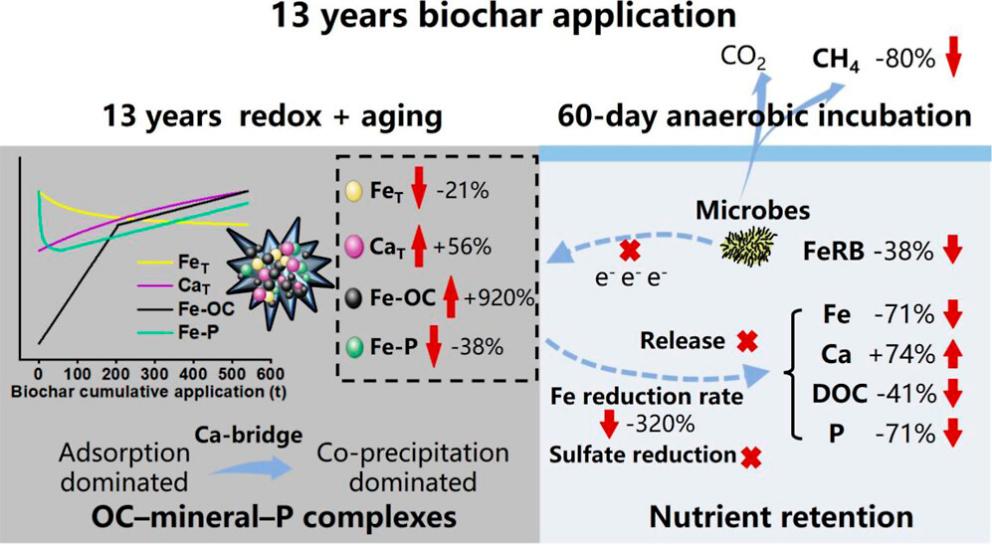
Biochar is increasingly promoted as a climate-smart amendment, yet its long-term effects on nutrient retention and greenhouse gas emissions in flooded rice systems remain poorly resolved. Here, we combine a 13 year field trial with graded straw biochar applications (0–22.5 t ha–1 season–1)...
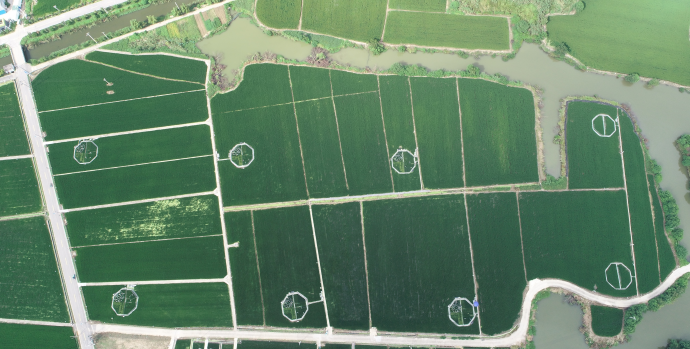
To sustain food production under accelerating climate change, it is vital to understand how key nutrients respond to the combined effects of rising atmospheric CO₂ and warming. Unlike nitrogen, phosphorus (P) cannot be fixed from the atmosphere. Its availability is governed by finite rock ph...
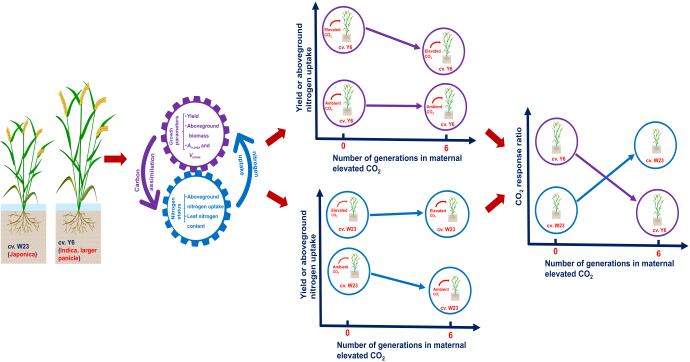
Feeding the growing population is one of the greatest challenges and calls for increasing global crop yields. Rising atmospheric CO2 concentration under future climate conditions offers opportunities to increase yields via the CO2 fertilization effect on crops such as rice, which billions dep...
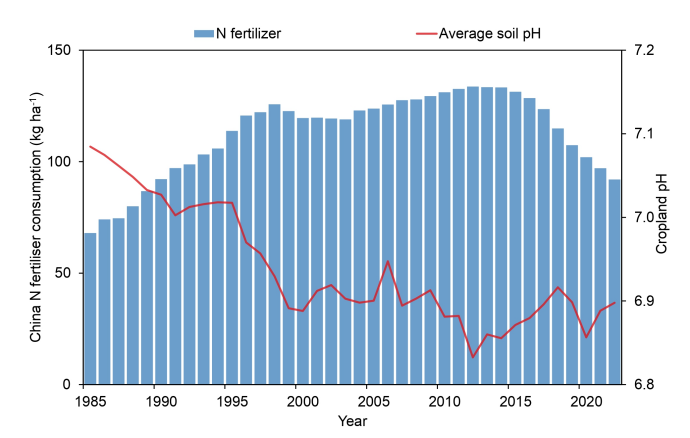
For decades, China’s vital agricultural soils have been growing more acidic, a trend that threatens crop productivity and ecosystem health. This acidification has been driven by the massive use of chemical nitrogen fertilizers and industrial emissions required to feed its population and powe...